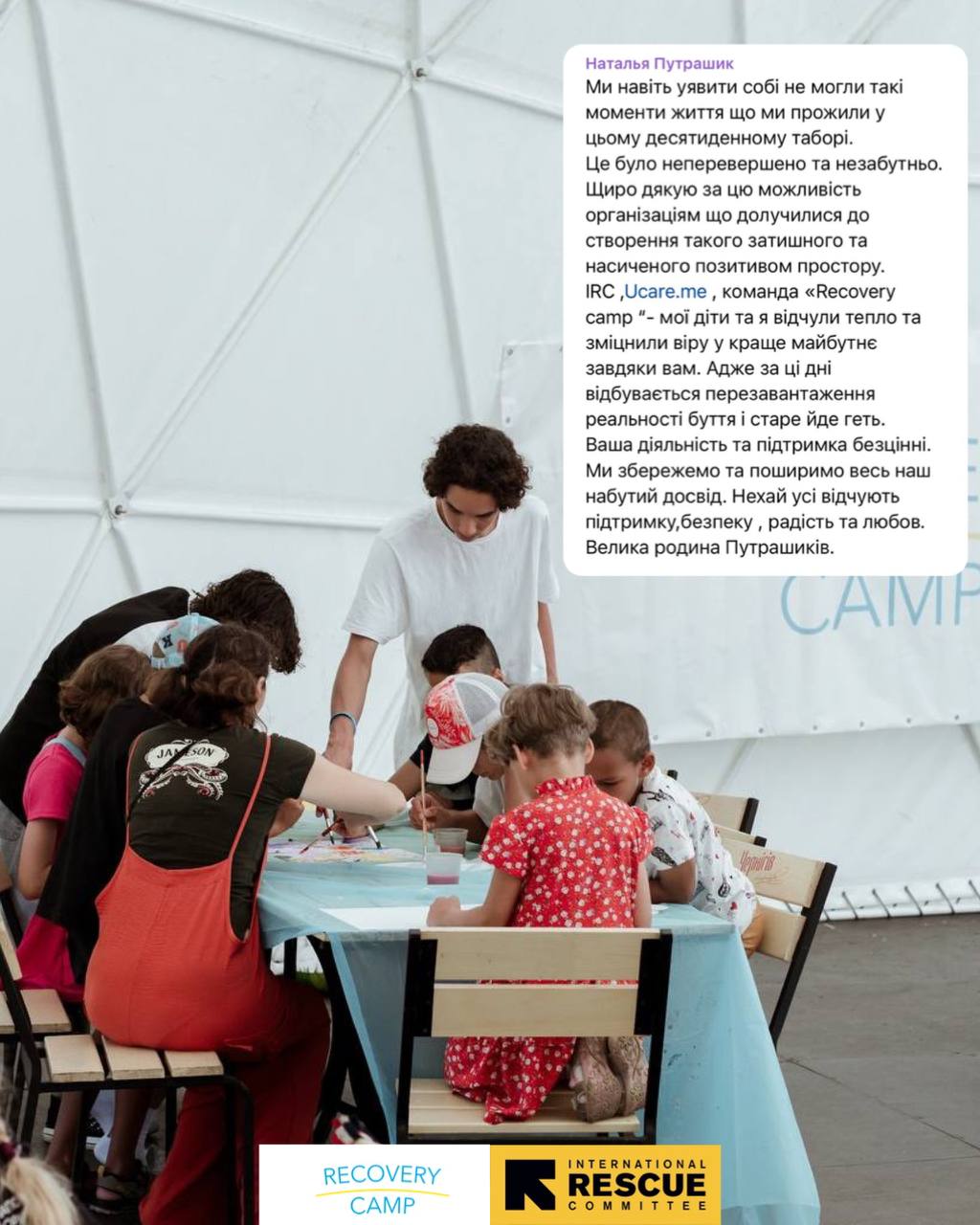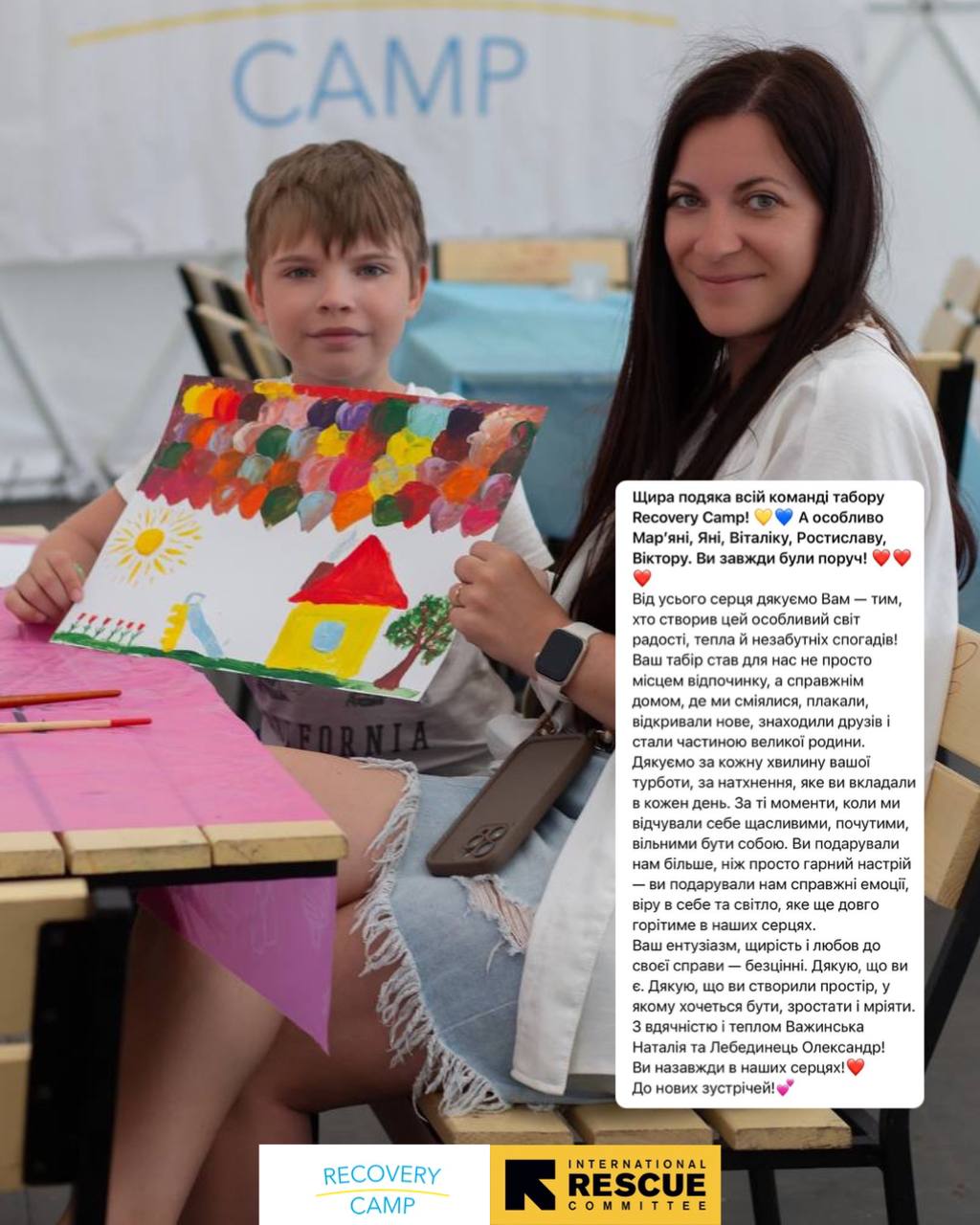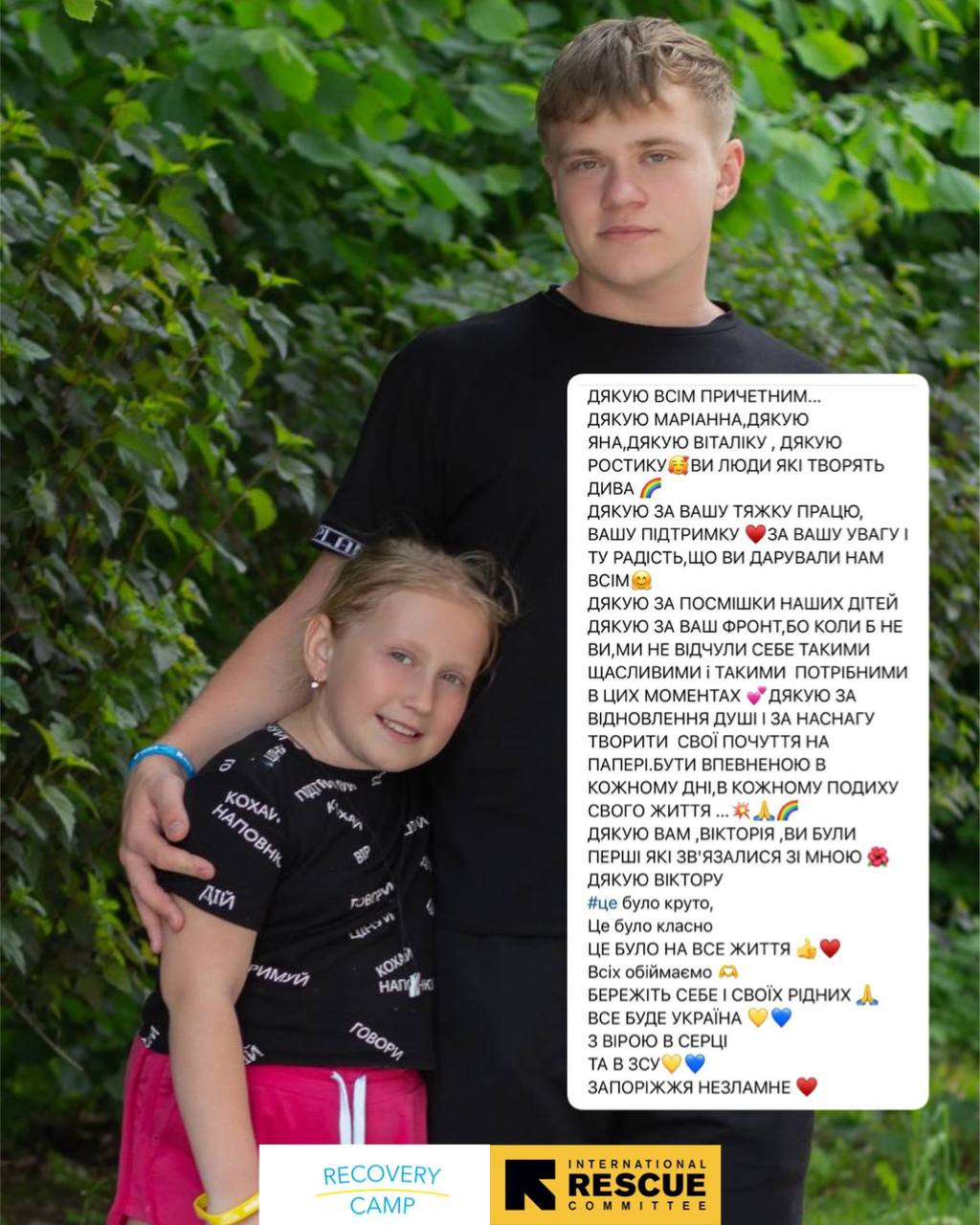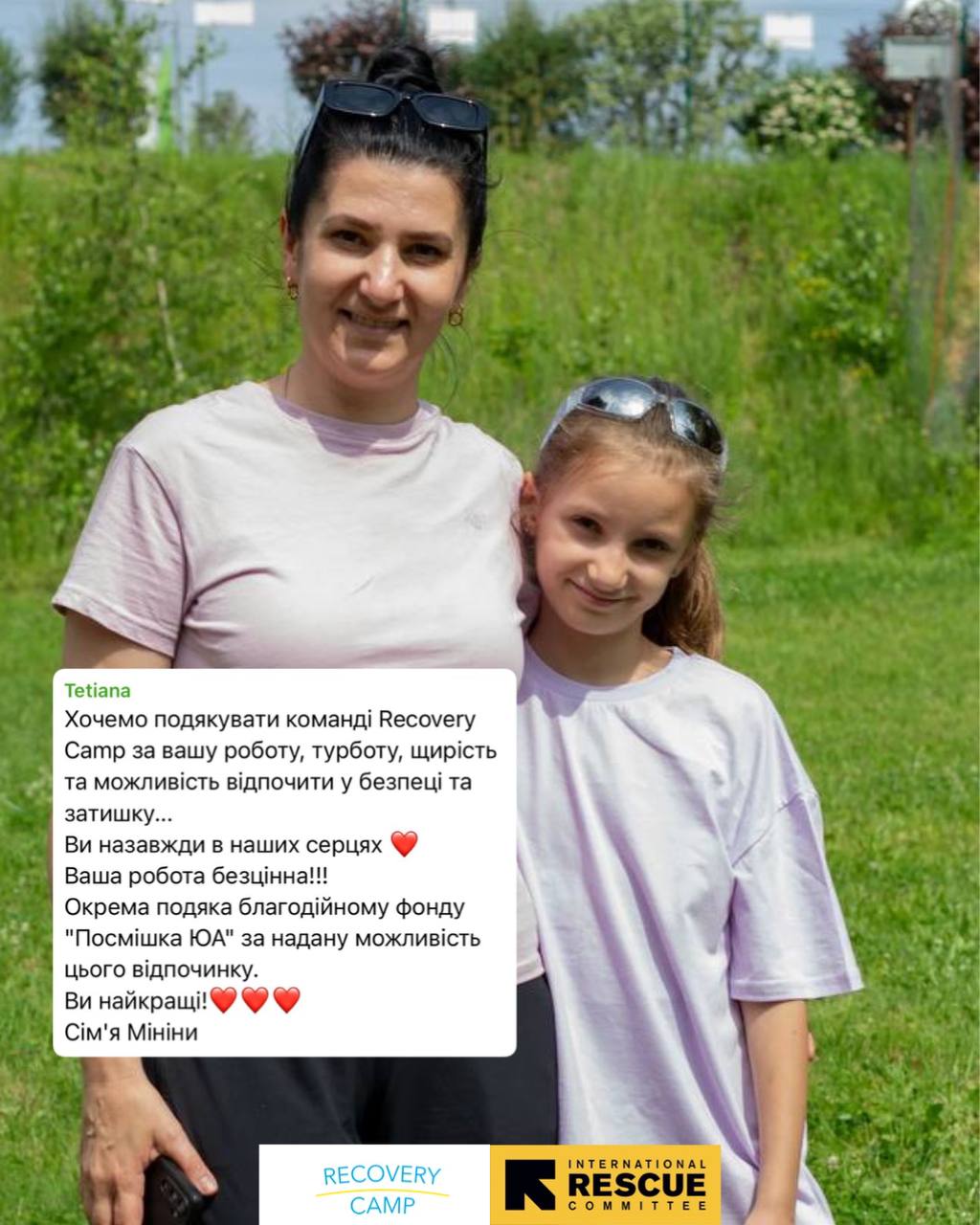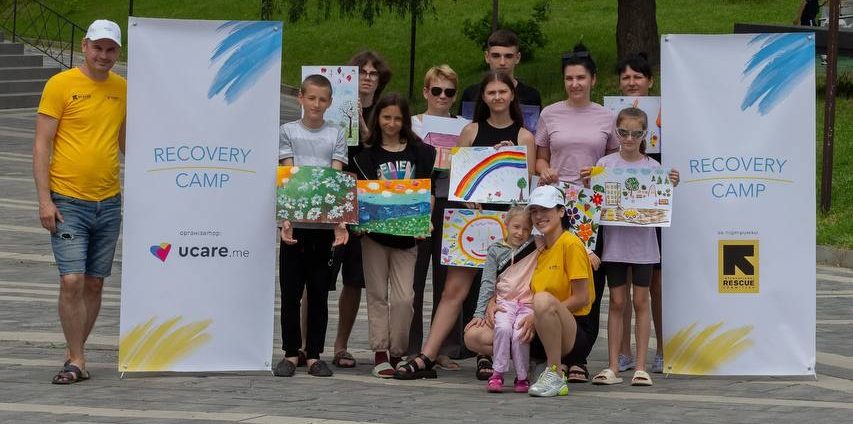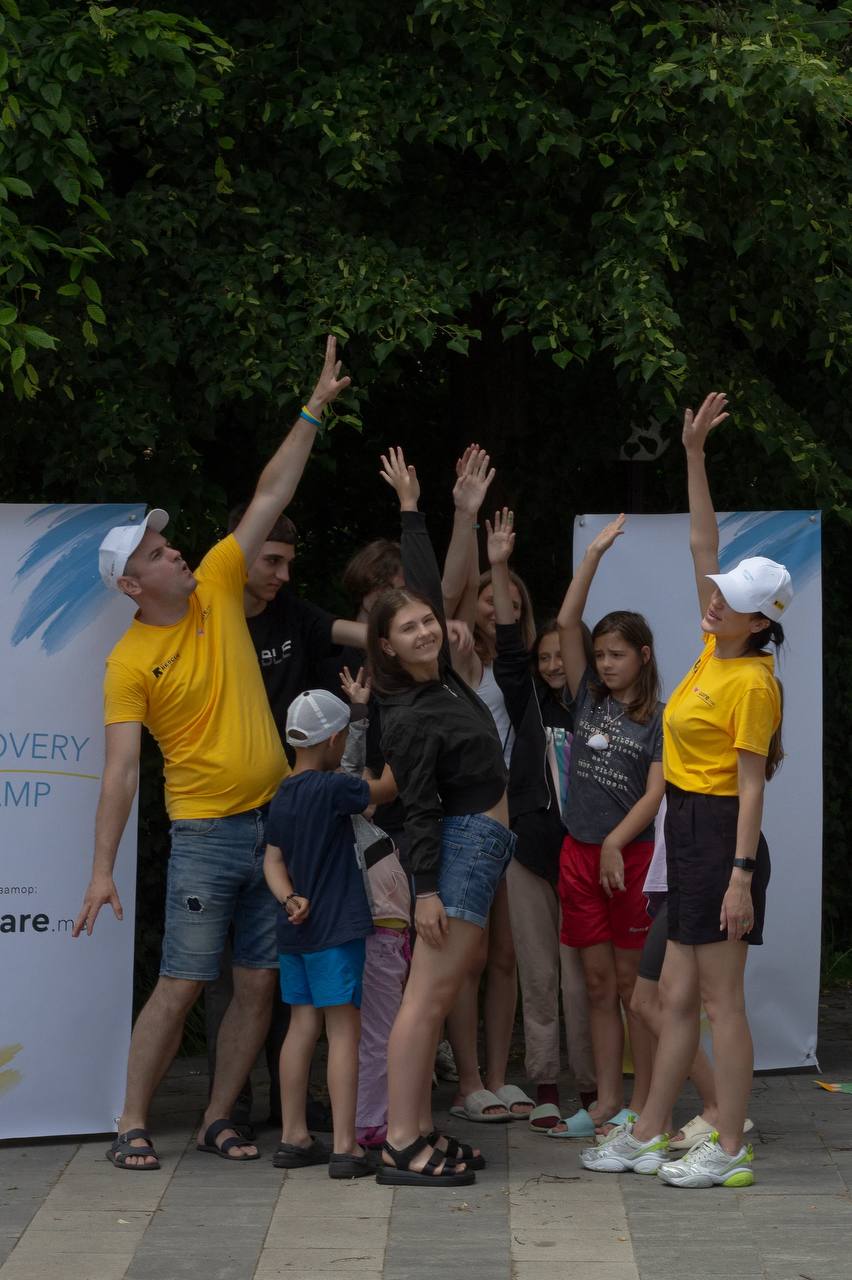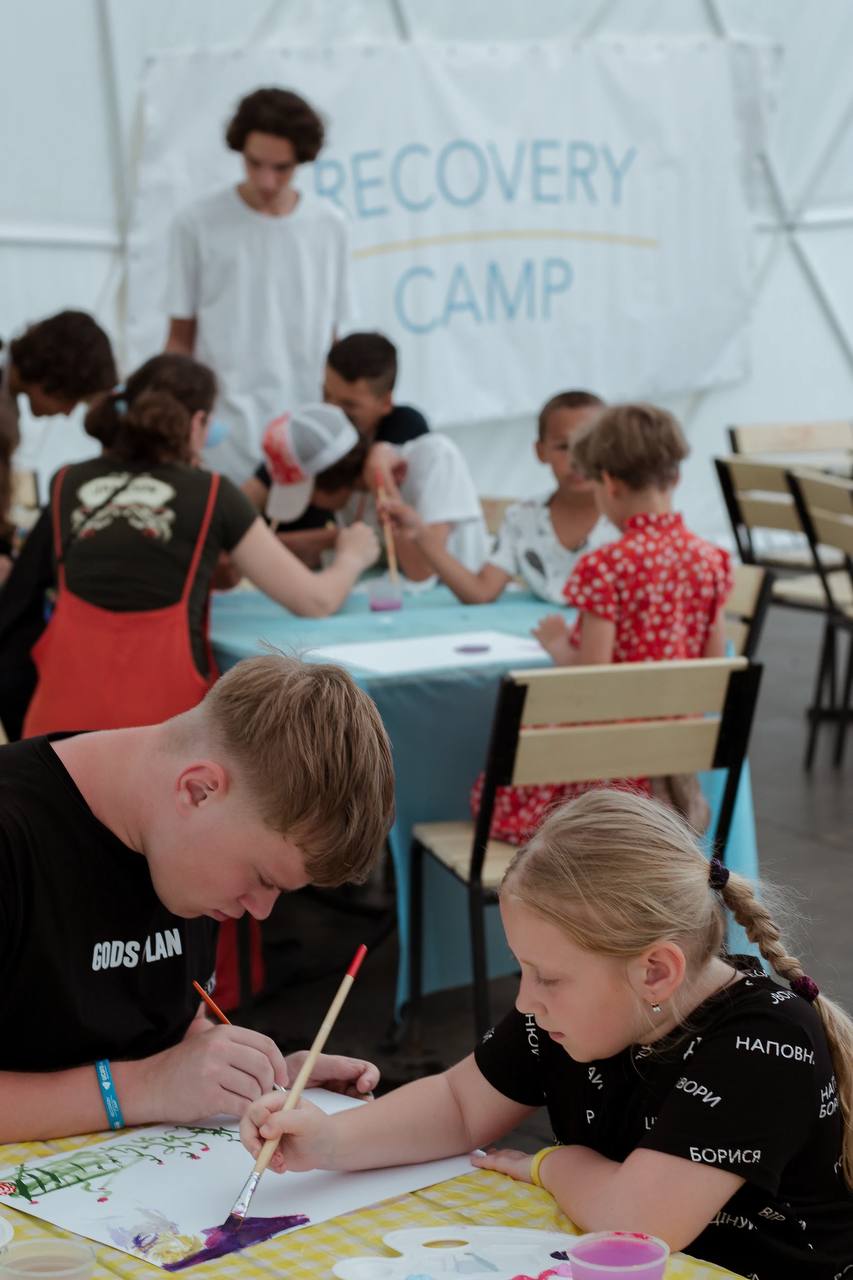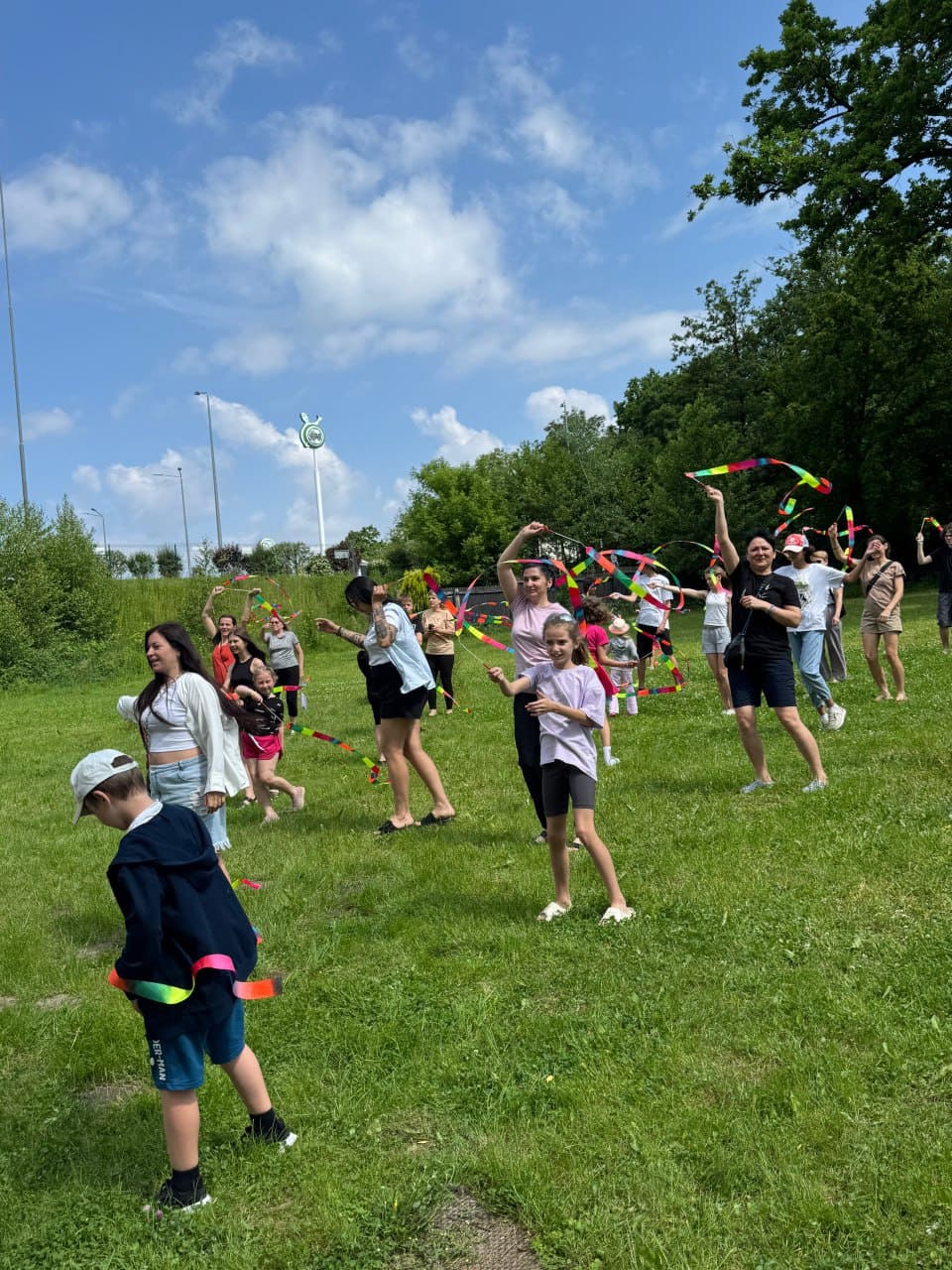



Camp supported by IRC
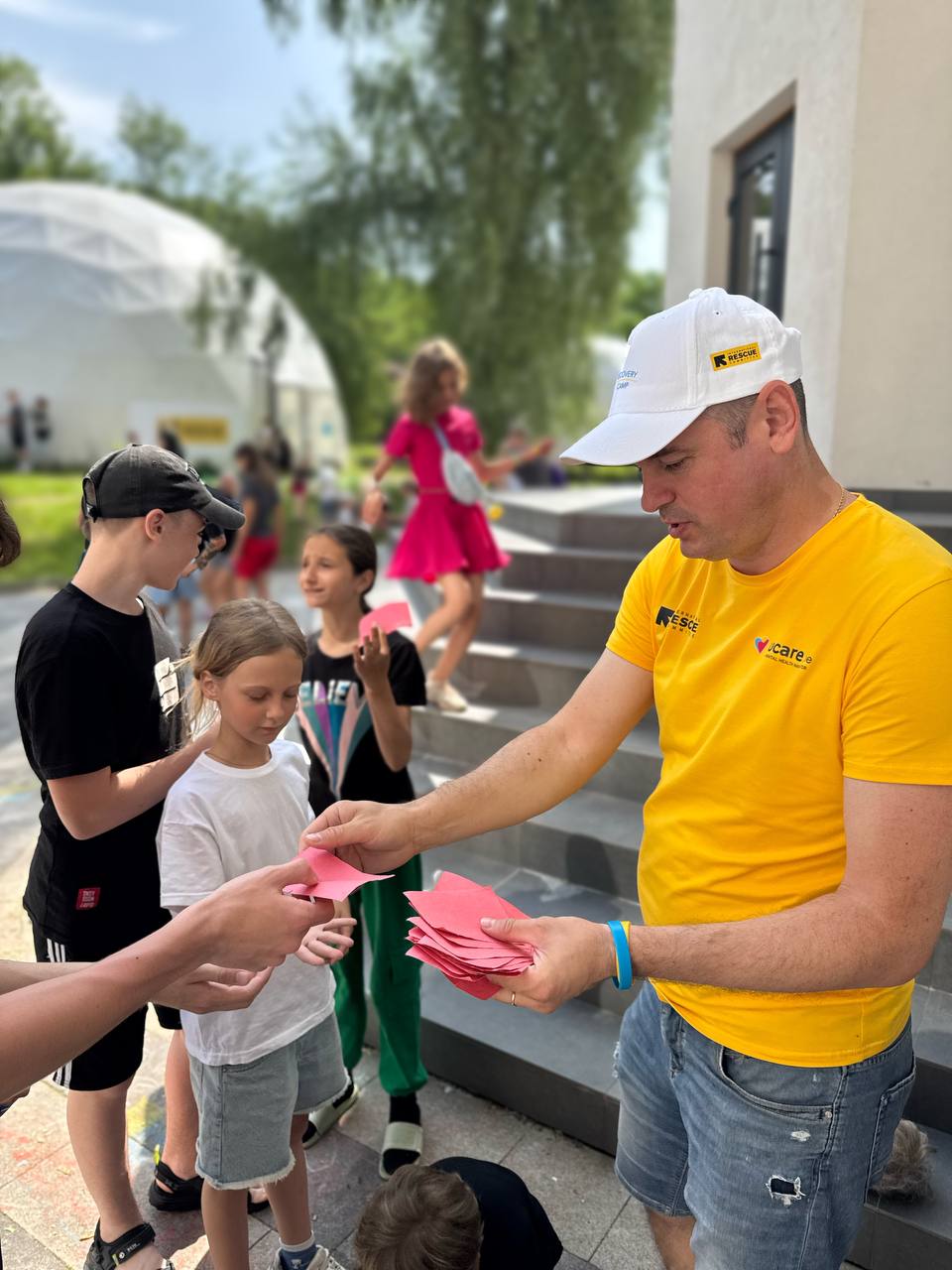
The Ucare Foundation, together with the Ucare.me platform, held a 10-day recovery camp for children and mothers affected by the war. The project was implemented jointly with the Recovery Camp team and with the support of the International Rescue Committee (IRC) in Ukraine.
The partner supported its implementation and participated in the selection of families and participants. The camp was held for 50 participants – 17 mothers and 33 children, who live the difficult experience of life in a state of war every day.
OUR CAMPS
Location
Holiday resorts in Western Ukraine.
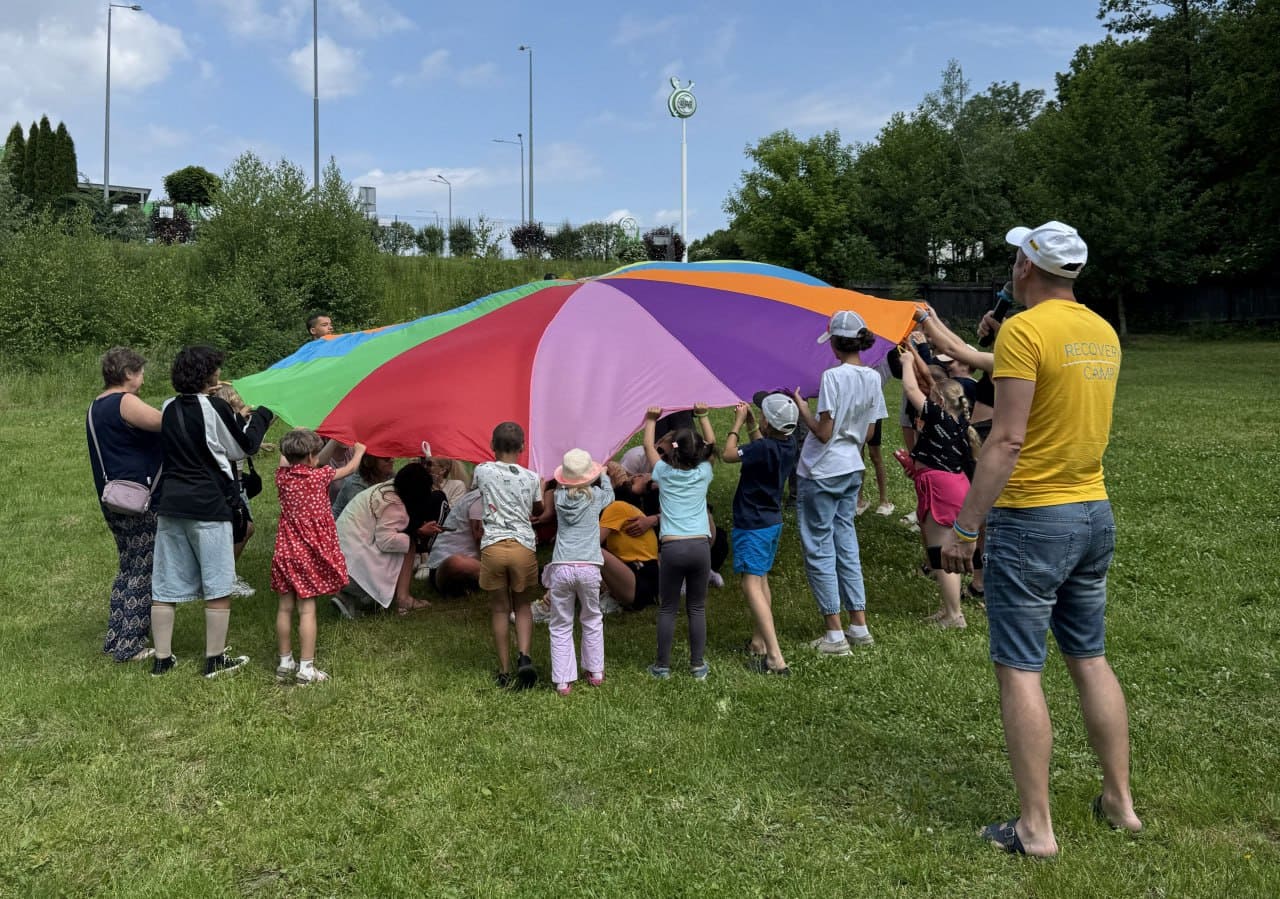
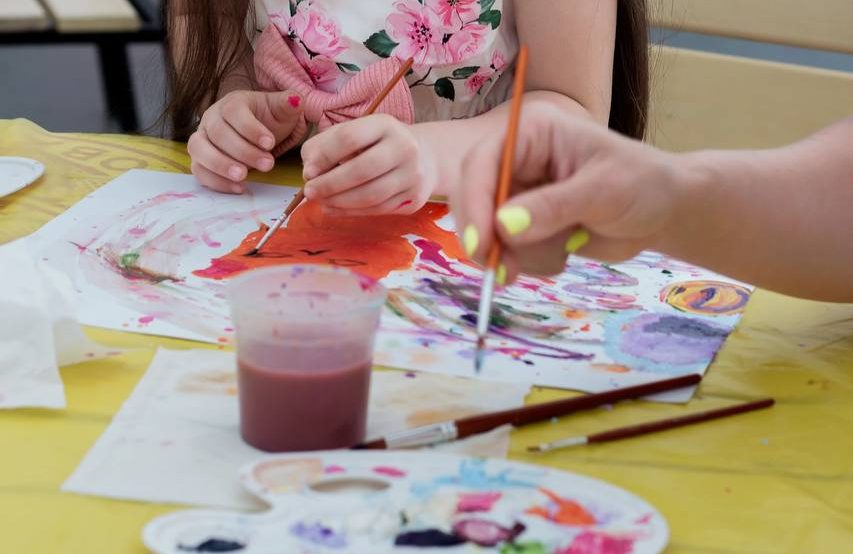
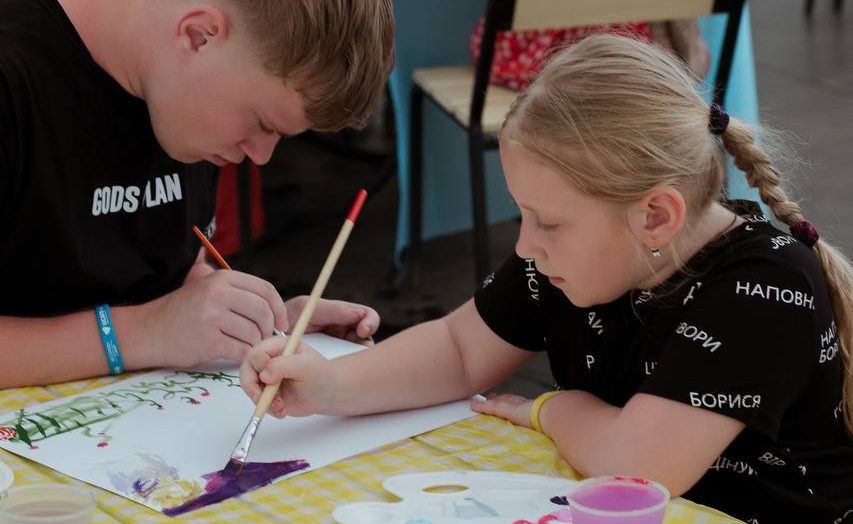
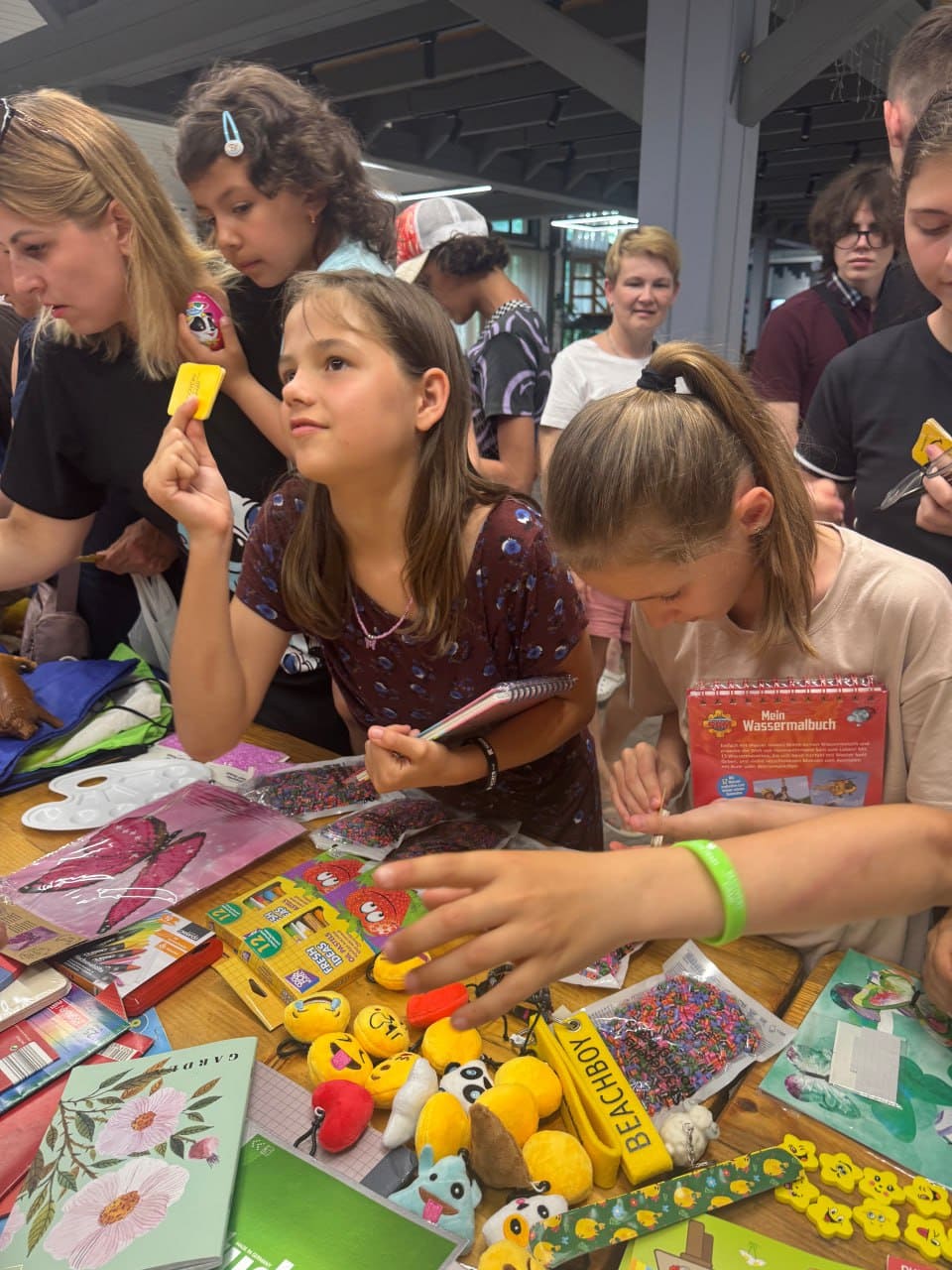
The program also included the most favorite activities of our participants:
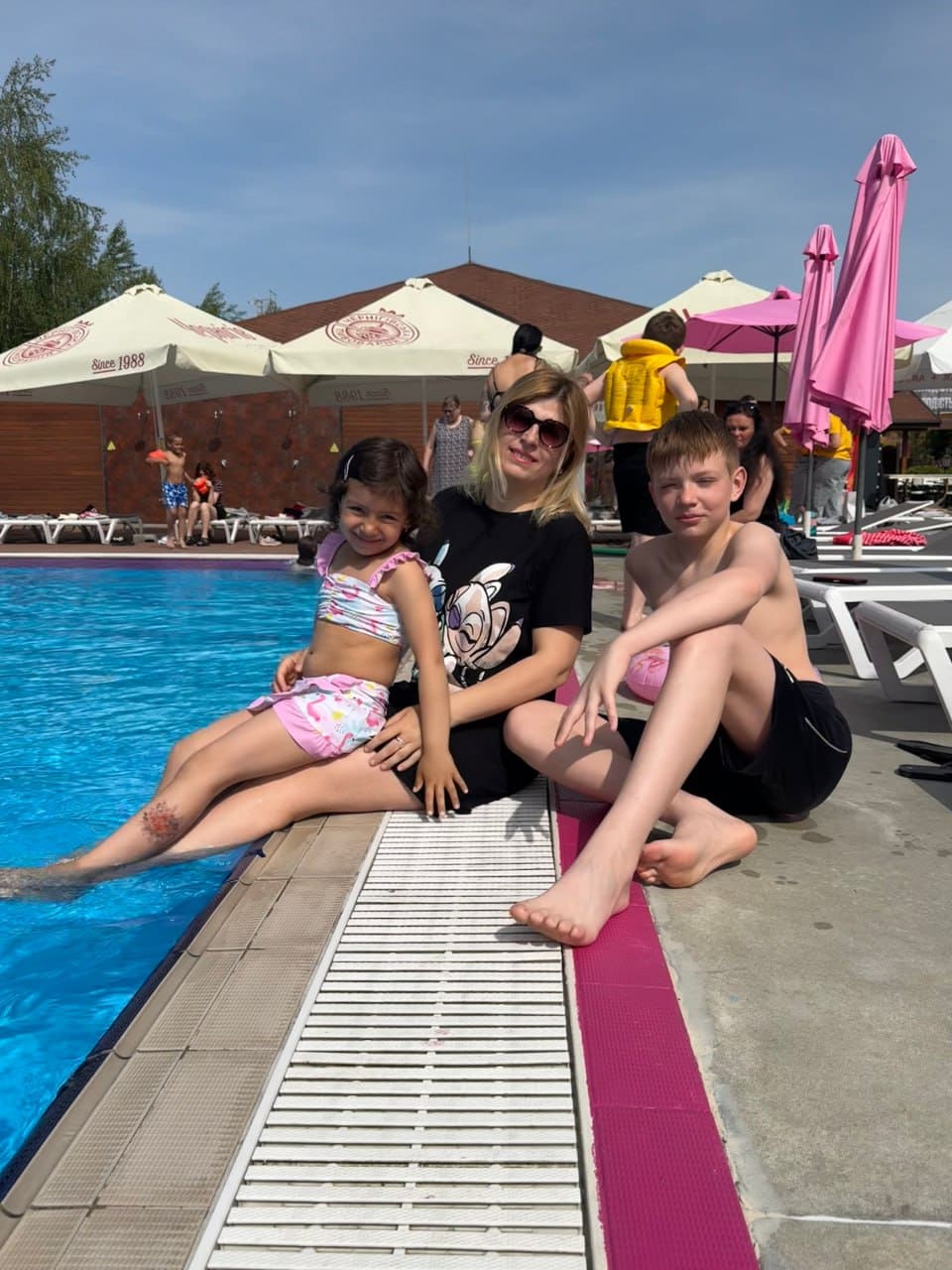
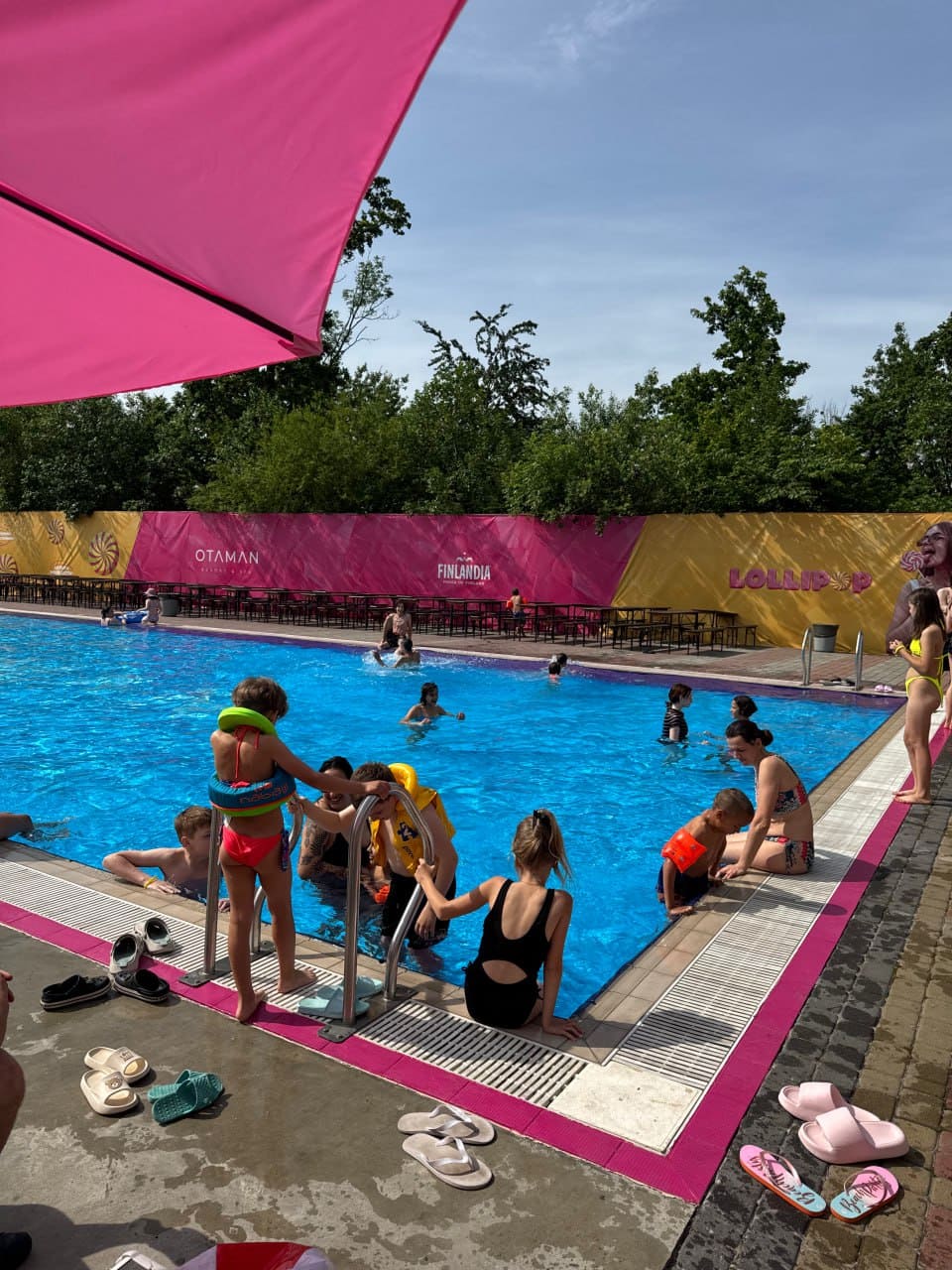
- a trip to the open-air swimming pool
- a relaxation day at the SPA for mothers and children
- an excursion to the open-air museum “Shevchenko Grove”
Partners
We conducted a monitoring visit to see the team, the values of the program, and the atmosphere of the camp live. Representatives of the partner were also at the location for the monitoring visit. It is important for us to show not only the results, but also the quality of the process – how the space of support and recovery is formed.
Why is this needed?
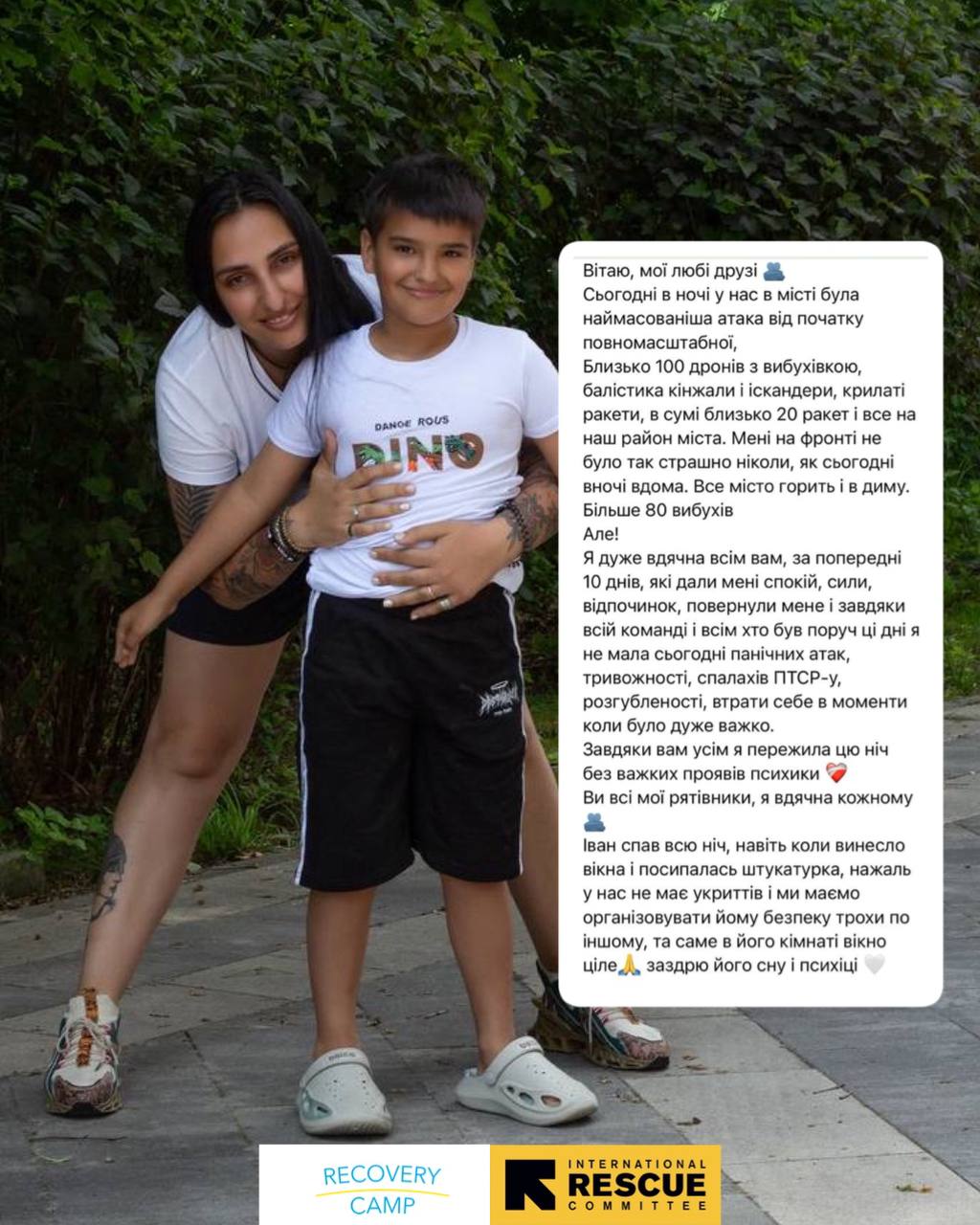
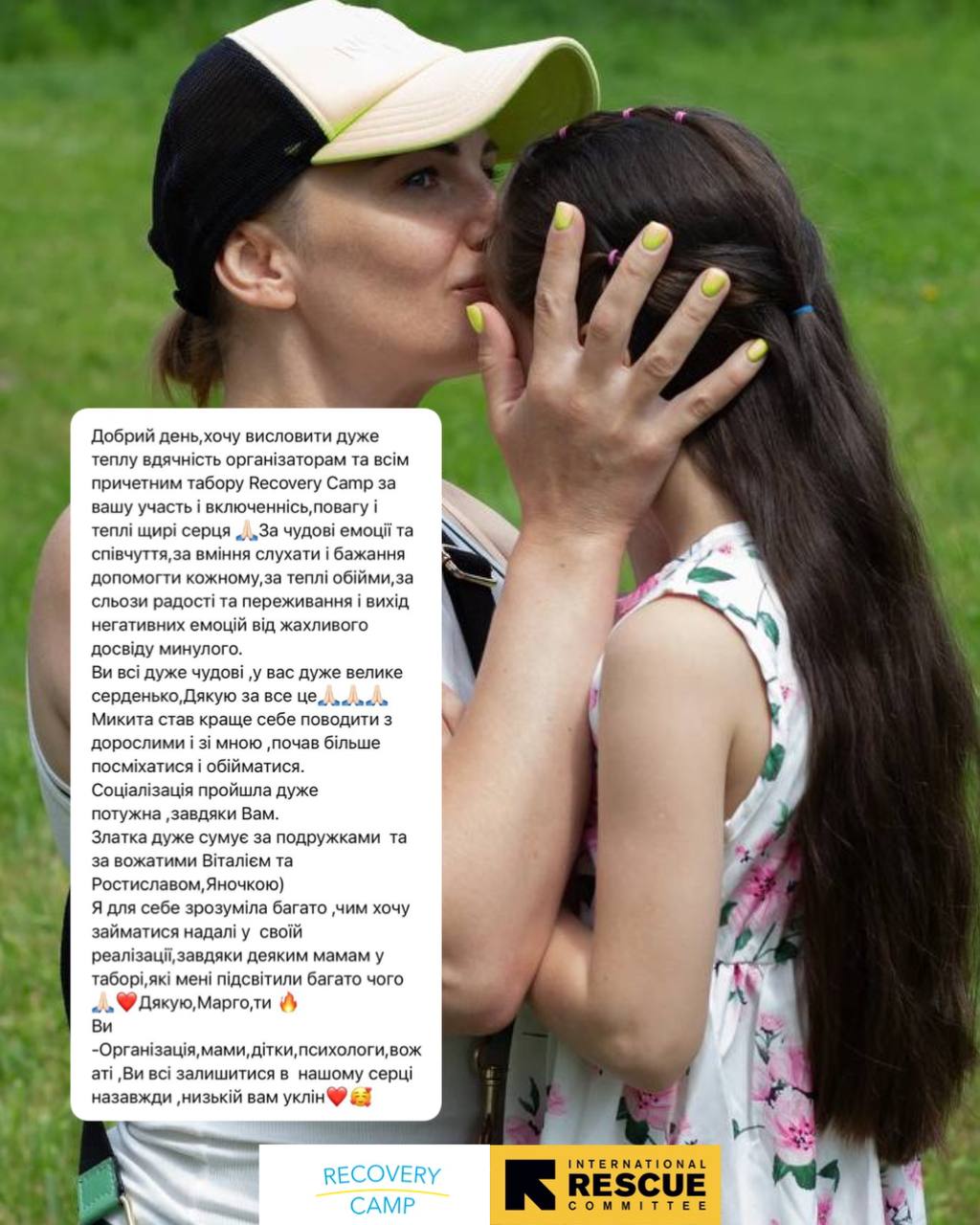
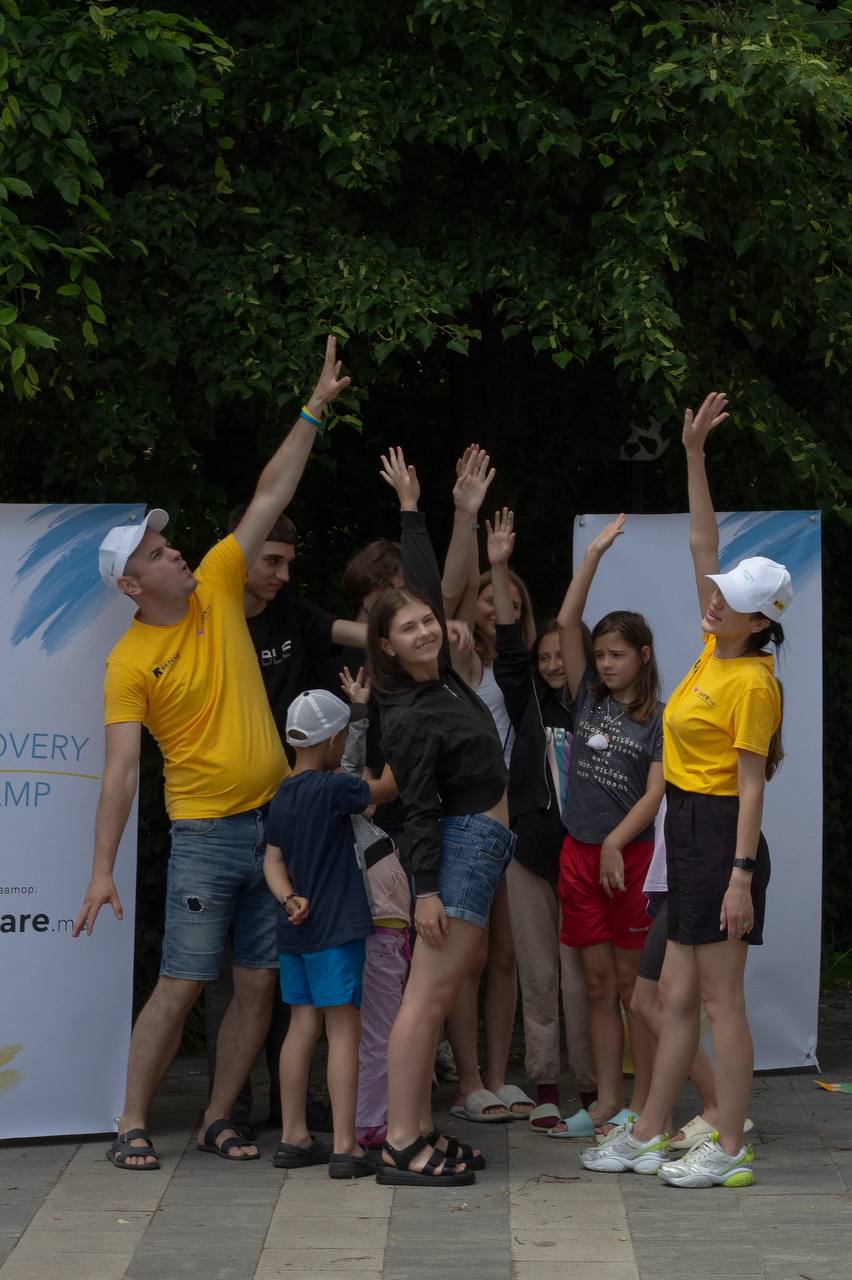
War leaves deep emotional scars on children and their parents. Our camp is a structured, safe space where families can stabilize, learn self-help tools, and feel the support of a community. The goal is to build resilience, reduce anxiety, and regain a sense of control over their lives.
CAMP PROGRAM
OUR GOAL
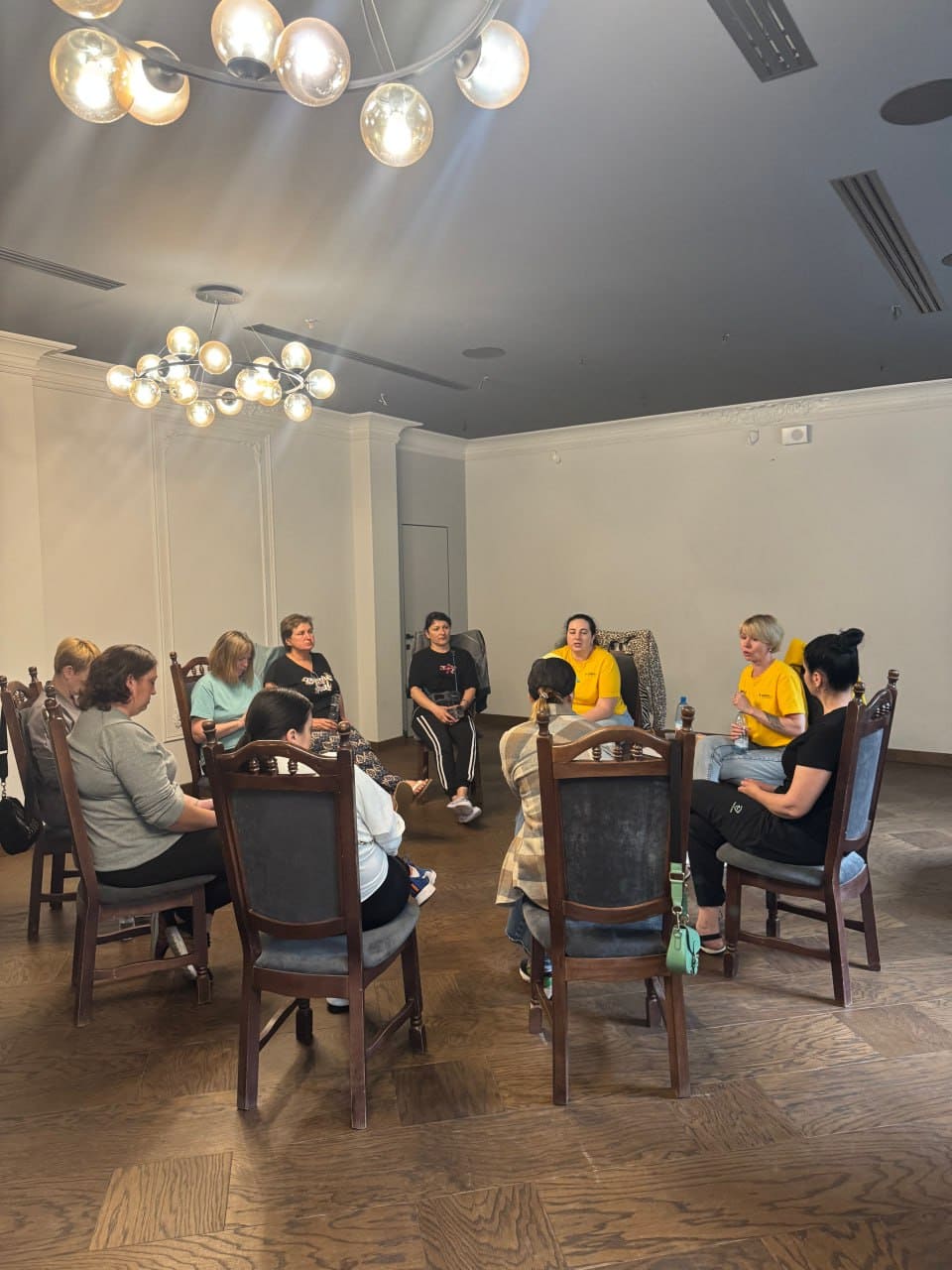
- Involve parents in group and individual work with psychologists
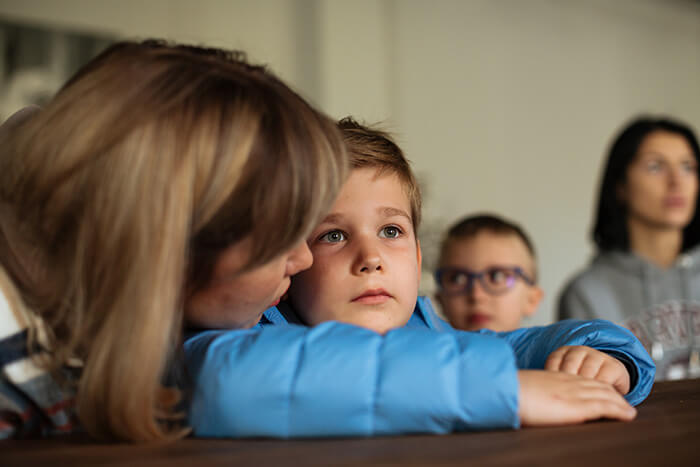
- Provide mothers with psychological crisis support
- Create new useful communications between mothers and children
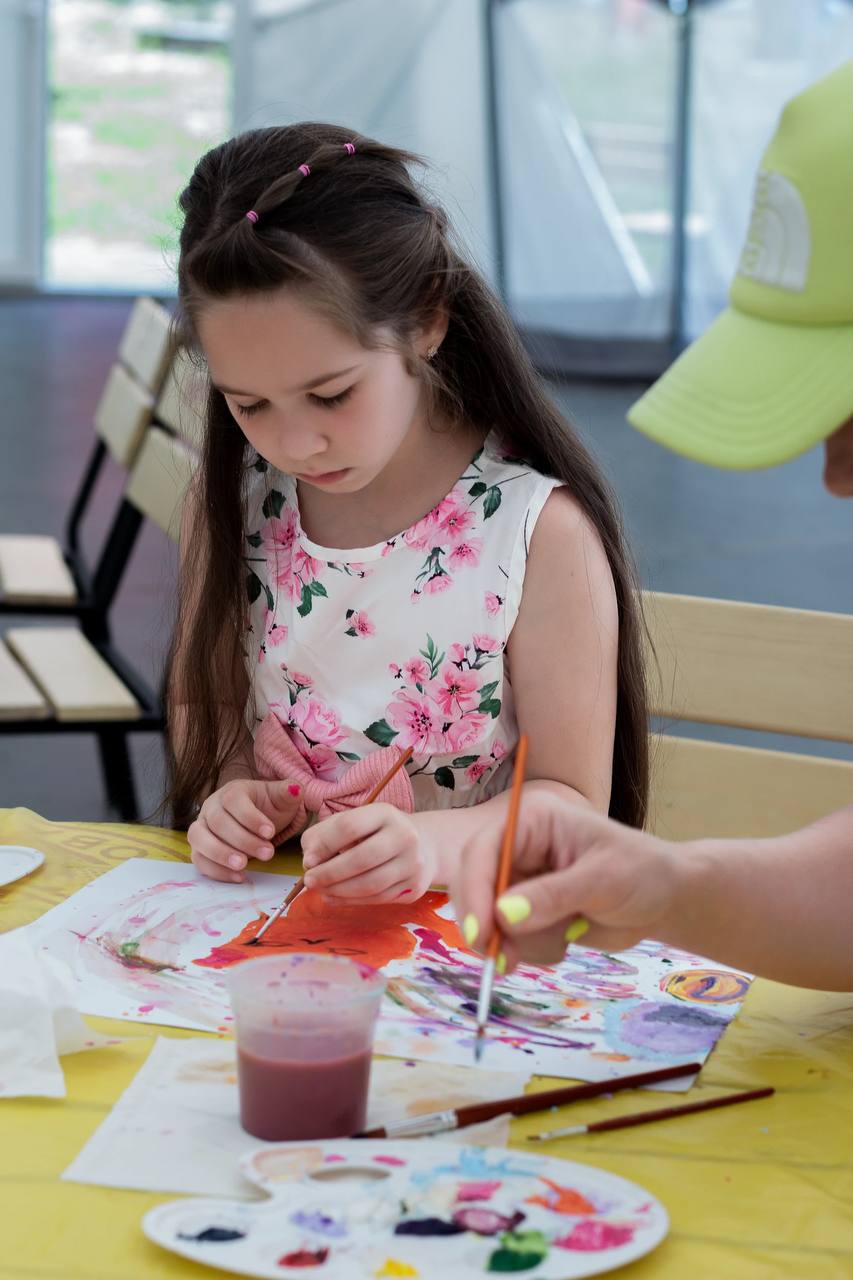
- Return the feeling of carefree childhood to children for one day
- Identify those families that are in dire need of further systemic psychological assistance
- To relax, feel joy, see happy children, to abstract from problems, to find time for one’s mental and physical health
- To bring joy, happiness, a sense of security and safety to children
- To teach mothers to find resources for further life and adaptation in a new place
- To conduct a comprehensive program of crisis psychological assistance for mothers and adolescents
- To teach mothers to provide proper emotional and psychological assistance to themselves and their children
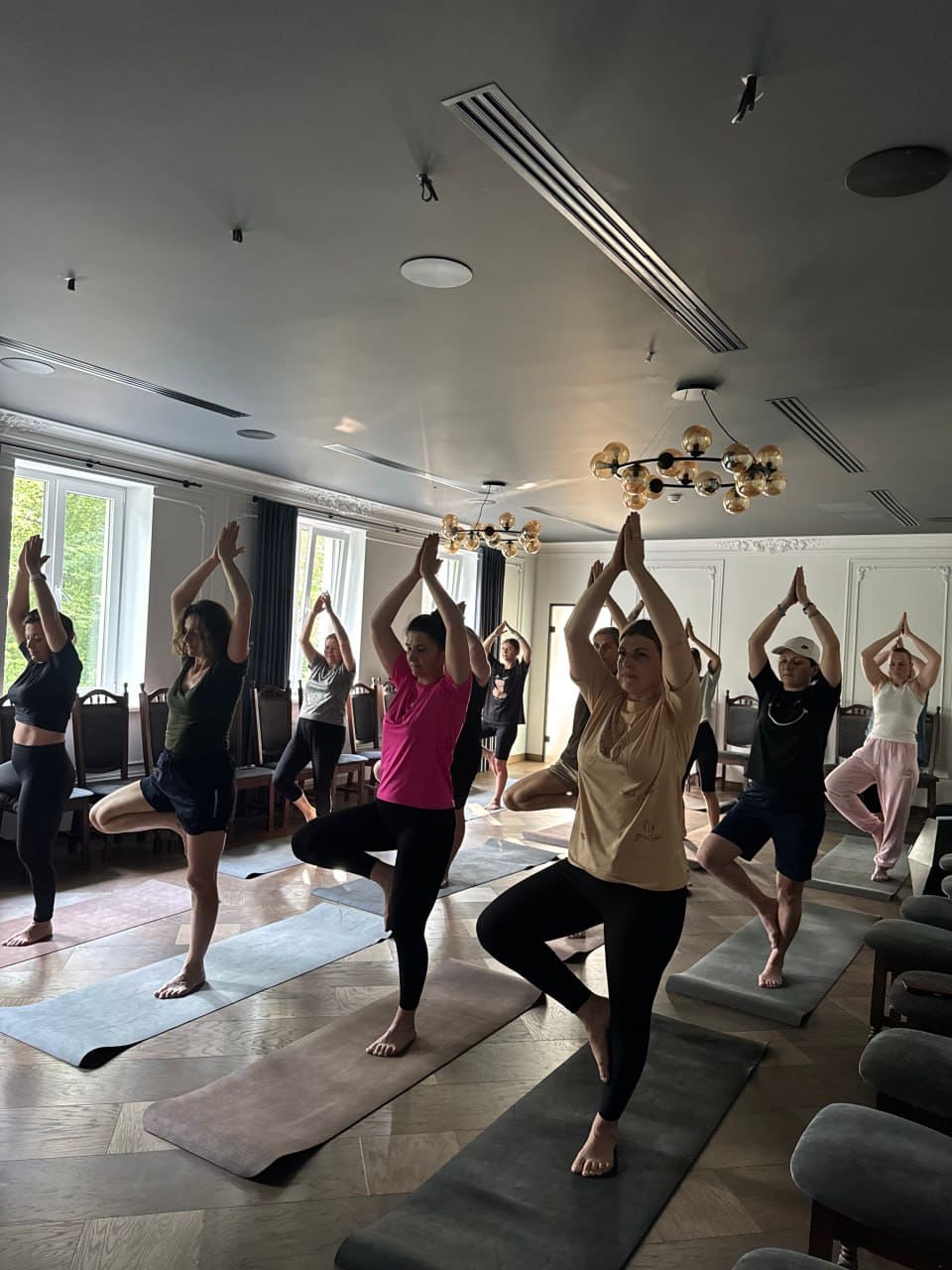
- To motivate women to remember about loving themselves and their bodies through body-oriented exercises and healthy eating
- Prevent the development and exacerbation of PTSD symptoms in the most vulnerable participants
- Prevent the deterioration of psychological state and the risk of depression after the camp
- Continue work with mothers to support their resource state to help the child
- Provide the child with further psychological support while the mother remains in the resource
- Ensure a smooth transition from camp support to individual therapy
- Reinforce the positive changes achieved in the camp and consolidate psychological stability
- Develop resilience to triggers and teach effective methods of coping with stress
- Form long-term trust in psychological help as a support resource
IMPORTANT ABOUT THE PROJECT
CARE FOR FAMILIES AFTER CAMP
- All animators who work with children are trained on how to deal with children who have experienced stress and what signs indicate a child's psychological state of crisis.
- A psychologist (according to a special protocol) conducts interviews with children who have signs of this condition and records his recommendations.
- Psychologists who conduct group and individual sessions with mothers create a list of those mothers who, in their opinion, are in urgent need of further psychological help.
There they continue to receive free psychological assistance.
Format and approaches
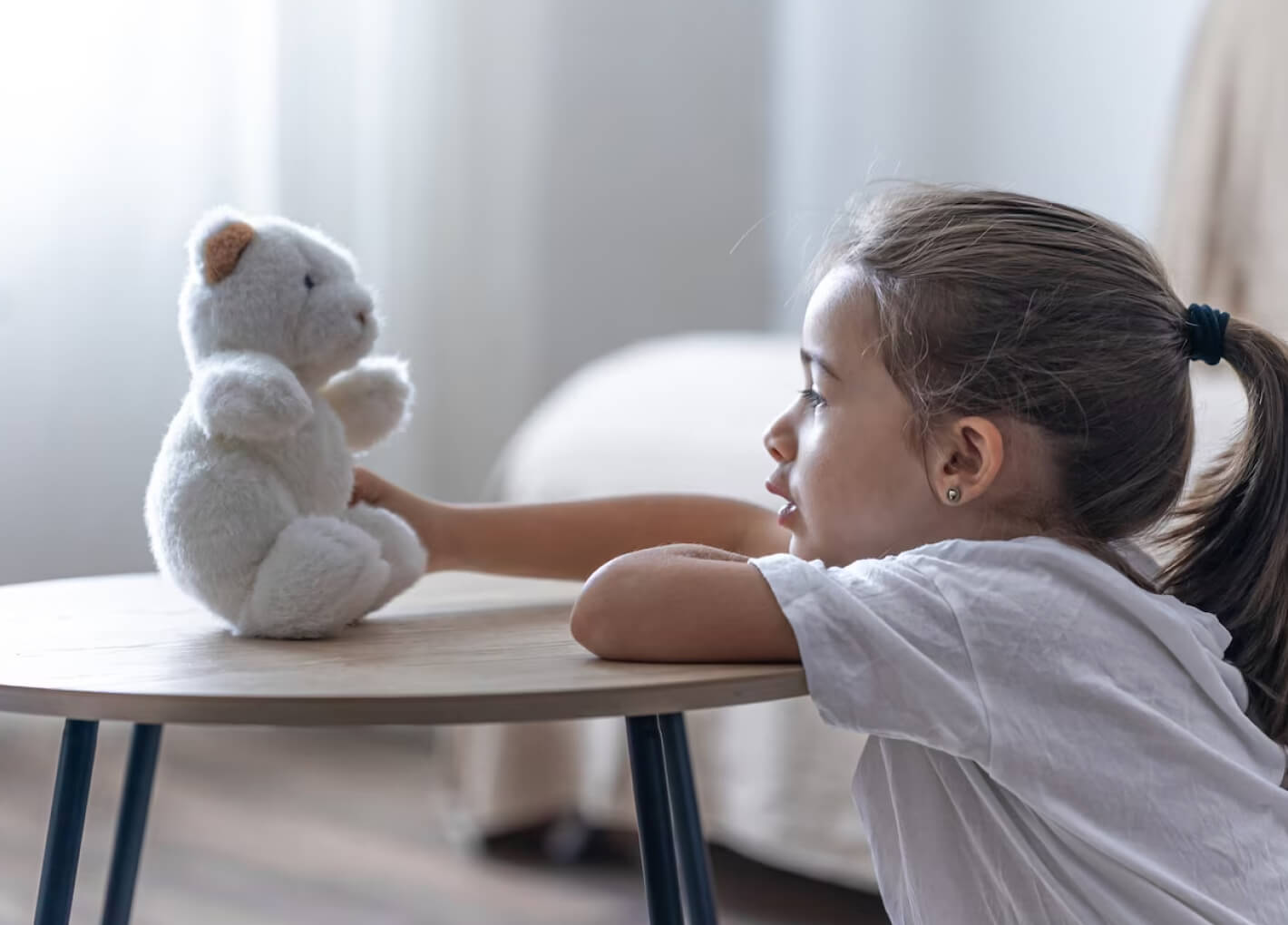
The program is built on the principles of trauma-informed care and child-centered practice.
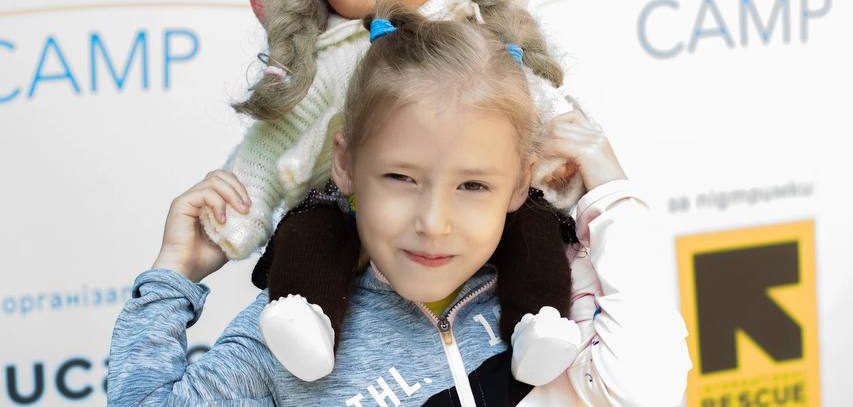
Team: psychologists and facilitators of children's activities, supervisors and program coordinator.
Safety: separate activities for children and mothers, clear schedule, sensitivity to triggers, informed consent, confidentiality.
Accessibility: Participation is free thanks to donor support. Inclusion: Taking into account the age of children, specific needs and family context.
Gallery